Why your restaurant occupancy cost is almost certainly understated
Most restaurant owners calculate occupancy cost using only the rent check. The actual number includes four more lease obligations that push most locations past industry benchmarks.
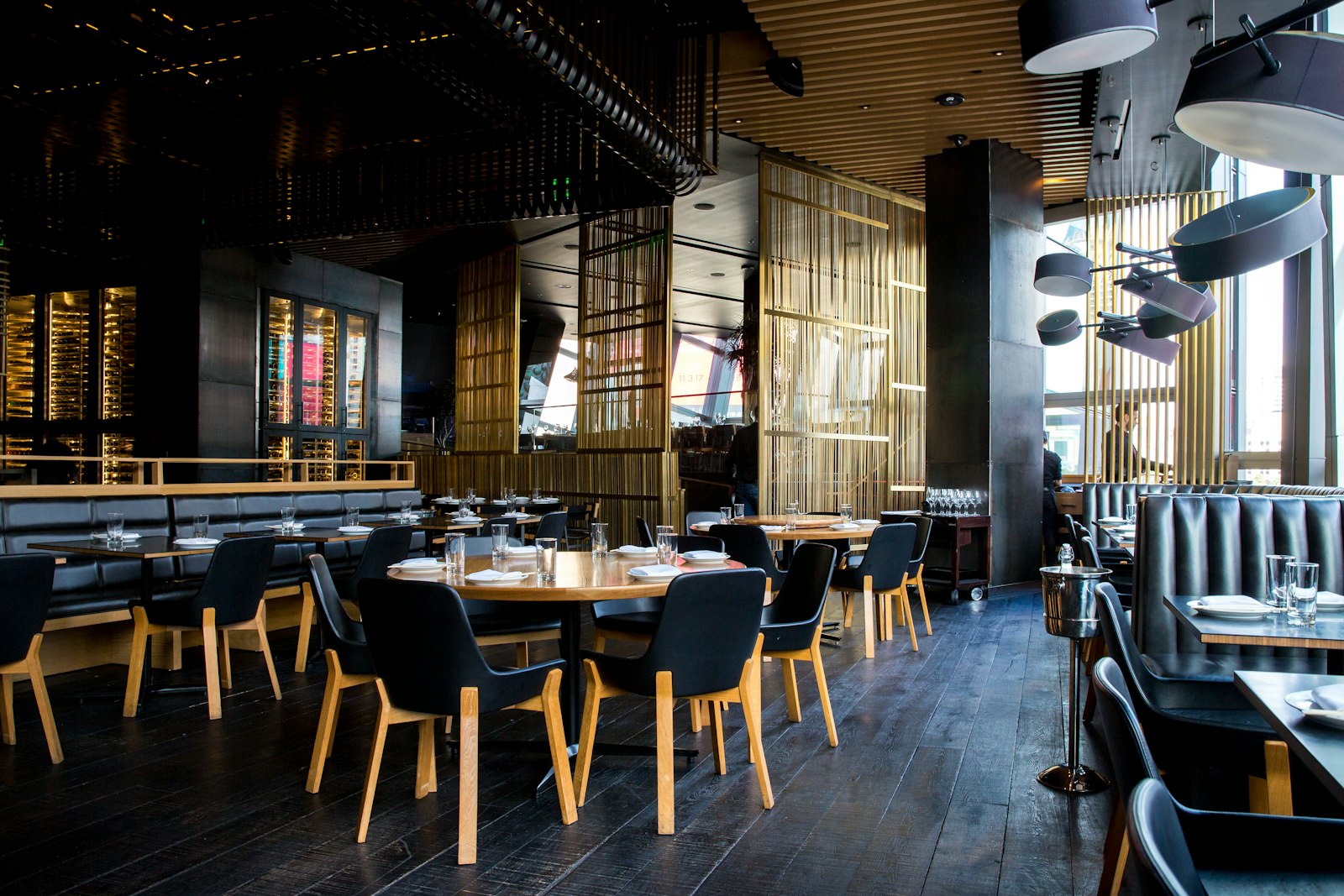
A restaurant owner we work with ran a casual dining spot in a strip mall outside Seattle. Monthly sales were running at $72,000. The rent check was $9,200, which put her occupancy cost at 12.8 percent of sales. She knew the rule of thumb: keep occupancy between 8 and 15 percent. At 12.8, she thought she had room.
When we reviewed the lease and matched every obligation to her books, the true monthly occupancy cost was $11,560. The actual percentage was 16.1 percent. She had been operating above the threshold for two years without knowing it.
What occupancy cost actually includes
The rent check is one of the payment streams a commercial restaurant lease creates. Most leases also require common area maintenance charges, property insurance, sometimes a percentage of sales above a threshold, and occasionally a repayment of construction costs the landlord funded at opening. Each of these is a cost of occupying the space. Leaving them out of the occupancy calculation produces a percentage that looks healthier than the real cost structure.
Common area maintenance charges. Most commercial restaurant leases include a CAM charge billed monthly or quarterly. CAM covers shared costs: parking lot upkeep, landscaping, hallway lighting, building security, and sometimes property management fees. The amount fluctuates, and landlords typically reconcile it against actual costs annually. Many restaurant owners post these invoices to miscellaneous expense or operating costs rather than occupancy. They belong in occupancy.
Landlord-required property insurance. Commercial leases often require the tenant to carry specific property insurance and name the landlord as an additional insured. The premium on that policy is an occupancy cost. It exists because of the lease. A restaurant owner who books it under general business insurance is hiding occupancy cost inside a different line.
Percentage rent. Some restaurant leases include a percentage rent clause that activates when monthly sales exceed a set threshold. A common structure: the base rent applies until sales reach $70,000 per month, then 3 percent of sales above that threshold is owed to the landlord. At $72,000 in monthly sales, that adds $60. At $85,000, it adds $450. Because there is no invoice, this cost is frequently not recorded until the landlord sends a quarterly statement, and sometimes not at all.
Tenant improvement repayment. When a landlord provides a build-out allowance to get a restaurant open, the lease may include a repayment provision. It can appear as a bump in the base rent or as a separate amortization schedule. A $57,600 build-out allowance repaid over ten years at zero interest adds $480 to true monthly occupancy cost. Many operators roll this into the base rent figure and understate both.
What one location’s full cost looked like
Here is what the Seattle restaurant’s occupancy cost became once every lease obligation was identified and separated:
| Occupancy line | Monthly amount |
|---|---|
| Base rent | $9,200 |
| Common area maintenance (CAM) | $1,400 |
| Landlord-required property insurance | $420 |
| Percentage rent (3% of sales above $70,000) | $60 |
| Tenant improvement repayment (amortized) | $480 |
| True monthly occupancy cost | $11,560 |
At $72,000 in monthly gross sales, occupancy was 16.1 percent. The owner had been calculating 12.8 percent using only the rent check.
Why the gap matters
Restaurant operators manage their business against a limited set of financial benchmarks. Prime cost (food cost plus labor) should stay below 60 to 65 percent of sales. Occupancy should stay between 8 and 15 percent. Together, these two numbers determine whether a restaurant has room to survive a slow period.
When occupancy is understated, an owner makes decisions based on margin that does not exist. A 12.8 percent occupancy calculation leaves a cushion that a 16.1 percent figure does not.
That distinction becomes a real problem when sales drop. In a slow January with $58,000 in sales, the occupancy cost does not drop with revenue. It stays at $11,560. At $58,000 in sales, the true occupancy percentage is 19.9 percent. A restaurant operating at 60 percent prime cost and 19.9 percent occupancy has 20 cents per dollar left to cover everything else. That is a very thin margin.
The owner who calculated 12.8 percent did not see the constraint. She was optimizing for the wrong number.
What accurate occupancy tracking looks like
For restaurant clients we work with, every component of occupancy is separated into its own account in the Profit and Loss report (P&L).
Base rent has its own line. CAM charges post to a separate account called Common Area Maintenance. The landlord-required insurance policy sits under Occupancy Insurance, not under the general business insurance umbrella. Percentage rent is calculated from the monthly sales report and posted as an accrual, so the expense hits the period it was earned rather than the period when a landlord invoice eventually arrives. Tenant improvement amortization runs on a fixed monthly schedule.
At month end, a single occupancy subtotal is visible on the P&L. The percentage against gross sales is a number the owner can read without rebuilding a calculation from scratch.
Best practices for restaurant operators
A few practices that keep occupancy cost accurate over time:
- Read the lease before setting up the chart of accounts. Every cost obligation in the lease should have its own expense account.
- Post CAM charges to an occupancy account, not to miscellaneous. CAM varies month to month, but it belongs in the occupancy total.
- Calculate percentage rent monthly from the sales report and accrue it. Match the expense to the period, not the landlord invoice date.
- Build a monthly occupancy schedule with one row per lease obligation. The total is what feeds the P&L.
- Review the occupancy percentage against gross sales every month. Fixed occupancy against variable sales means the percentage changes constantly, and a monthly review surfaces problems before they compound.
Three questions worth asking
If your occupancy cost looks lower than you expected, three questions to bring to your bookkeeper:
- Is CAM tracked as a separate line in occupancy, or is it posted to miscellaneous or operating expenses?
- Does our occupancy percentage include property insurance required by the lease and any percentage rent clause?
- If the landlord provided a build-out allowance, how is the repayment obligation being recorded?
If those answers are uncertain, the P&L is likely understating your real occupancy cost. A one-time review of the lease against the chart of accounts will identify the gaps.
Send us your lease and your current chart of accounts. We will tell you whether the books match what the lease actually requires and what the corrected occupancy percentage looks like.
- BASE RENT$9,200 monthly payment sent to landlord
- QUICK CALCULATION$9,200 divided by $72,000 sales equals 12.8%
- BENCHMARK CHECK12.8 percent sits below the 15 percent threshold
- NO ACTION TAKENNumber looks manageable, no adjustment made
- CAM CHARGES$1,400 for parking, landscaping, shared building costs
- PROPERTY INSURANCE$420 landlord-required policy billed separately
- PERCENTAGE RENT$60 average monthly charge when sales exceed $70,000
- TI REPAYMENT$480 amortized cost of the landlord's build-out advance
Want a second set of eyes on your books?
30 minutes on Zoom. We'll look at your books and tell you what's working and what isn't.
This is the work we do every day. See bookkeeping for restaurants.
Book a call