Lab equipment and your books: what to capitalize and what to expense
A $45,000 flow cytometer is an asset, not an expense. Here is how to classify lab purchases correctly and why it matters for your burn rate.
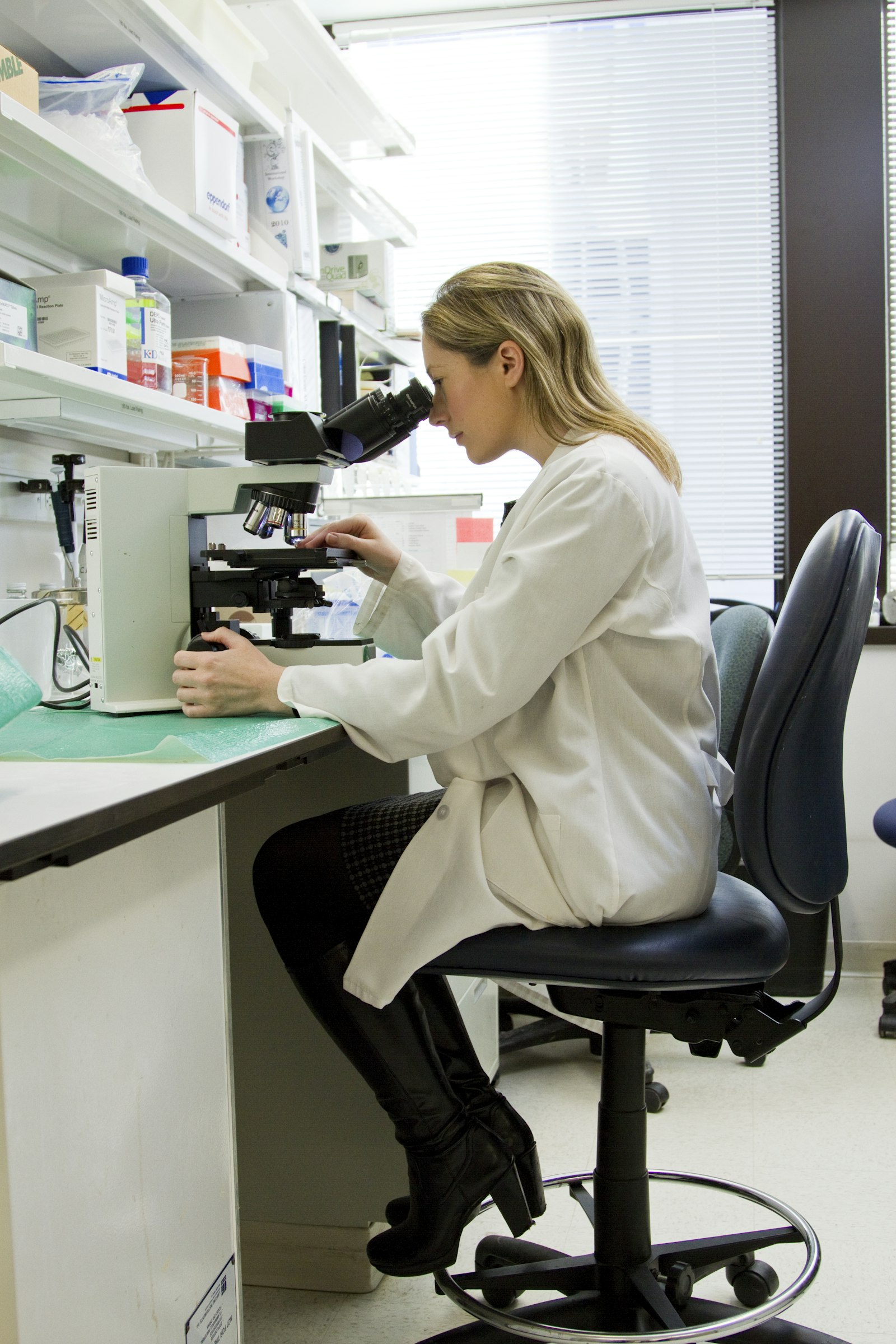
A biotech CFO we work with spent three months building out the company’s first wet lab. By the time the auditors reviewed the books, the balance sheet showed almost nothing under fixed assets. The R&D expense line was $310,000 higher than the board expected. A $45,000 flow cytometer, $28,000 of supporting instruments, and $18,000 of installation and validation work had all been expensed when the invoices were paid. A well-equipped lab had no fixed assets to show for three months of buildout.
What the difference actually is
The issue comes up often with early-stage life sciences companies. When lab purchases arrive as invoices and no written policy covers them, they hit the R&D expense account by default. That is the right treatment for some purchases and the wrong treatment for others.
The rule: a purchase goes on the balance sheet as an asset if the item will be used for more than one year and costs more than the company’s capitalization threshold. Everything below the threshold or consumed in a single use is expensed when purchased. The category affects what appears on the Profit and Loss report (P&L) in the month of purchase and what appears there over the following years.
Purchase types and where they go
The instrument itself. A piece of lab equipment with a cost above the capitalization threshold and a useful life of more than one year belongs on the balance sheet. A common threshold for early-stage companies is $2,500 per item. A $45,000 flow cytometer, a $22,000 plate reader, or a $15,000 centrifuge all clear that bar. The instrument is capitalized at cost and depreciated over its expected useful life, typically three to ten years depending on the type.
Installation and validation costs. Most analytical instruments require professional installation and formal validation before they can be used in a research environment. Installation qualification (IQ), operational qualification (OQ), and performance qualification (PQ) are standard steps for many instrument types. The cost of getting an asset into service is part of that asset’s cost. A $7,200 invoice from a validation contractor belongs on the balance sheet as part of the instrument’s capitalized cost, not in a general services expense account.
Reagents, kits, and consumables. A reagent is consumed in a single experiment. A kit produces one set of results. Even when a single kit costs $600, it has no residual value after use. Buffers, disposable plastics, and single-use supplies belong in R&D expense.
Service contracts and prepaid software. A multi-year service agreement is a prepaid asset, not a period expense. Paying $9,000 for a three-year service contract creates a $9,000 asset at the time of payment. The contract is consumed at $3,000 per year. Standalone software licenses with a useful life of more than one year may qualify as intangible assets and be amortized over that period.
What one instrument purchase looks like
Here is how a single cytometer purchase breaks down when each cost is classified correctly.
| Purchase | Cost | Treatment |
|---|---|---|
| Flow cytometer | $45,000 | Capitalize, depreciate over five years |
| Installation and IQ/OQ/PQ validation | $7,200 | Add to instrument cost on balance sheet |
| Control software license (three years) | $4,800 | Capitalize, amortize over three years |
| Reagent kit for first experiment | $2,800 | R&D expense when received |
| Buffers, beads, and plastic consumables | $640 | R&D expense when received |
| Three-year service contract | $9,000 | Prepaid asset, $3,000 expensed per year |
Total capitalized on the balance sheet: $57,000. Total expensed immediately: $3,440. Total recorded as a prepaid asset: $9,000.
If all six lines had been expensed when the invoices were paid, R&D expense for the month would have been $69,440 higher and the balance sheet would show no fixed assets from the buildout.
Why this matters
Three problems develop when lab equipment is treated as a period expense.
Burn rate reports are distorted. Gross burn is inflated during buildout months and lower afterward than the actual research cadence would suggest. An investor reviewing a $310,000 R&D month during a lab buildout reads it as research cost. Part of it is capital investment. The distinction matters when explaining runway to a board or a potential investor.
The balance sheet understates what the company owns. Fixed assets on the balance sheet represent real infrastructure. When those assets are absent because they were expensed, the balance sheet tells an incomplete story to investors, lenders, and future auditors.
Auditors will reclassify prior-period amounts. When audited financials become necessary, an auditor will test large R&D expense items for proper capitalization. Reclassifying expenses to fixed assets after the fact changes prior-period numbers and generates catch-up depreciation entries that take time to correct.
What proper handling looks like
For life sciences clients we work with, every purchase above the capitalization threshold is reviewed before it is posted to the books. Equipment invoices go through a short checklist: cost above threshold, useful life beyond one year, single identifiable asset. When the answer to all three is yes, the purchase is capitalized and a depreciation schedule is set up. Installation and validation invoices are matched to the instrument they belong to and added to the capitalized cost. Reagents and consumables are expensed when received.
Best practices for life sciences companies
A few practices that keep equipment records accurate over time:
- Set a written capitalization policy with a specific dollar threshold. A threshold of $2,500 per item is common for early-stage companies. Document it in an accounting policy memo so auditors can review it.
- Maintain a fixed asset register. Track each asset’s description, date placed in service, original cost, expected useful life, and accumulated depreciation. Reconcile it to the balance sheet at every month-end close.
- Match installation and validation invoices to the instrument they belong to before they are posted. A $7,200 validation invoice looks like a consulting fee if it is not linked to the specific instrument it qualifies.
- Amortize service contracts and prepaid software monthly over their full terms. A three-year contract paid in January is not fully expensed in January.
- Include a depreciation summary in the monthly close package. The total should agree to the fixed asset register. Any gap signals an asset or disposal that was not recorded correctly.
Three questions worth asking
If you are not sure how lab purchases are currently handled, three questions to ask:
- Does the company have a written capitalization policy with a dollar threshold, and was it applied to every equipment purchase in the past 12 months?
- What does the fixed assets section of the balance sheet show, and does that number correspond to the instruments the company has purchased since it was founded?
- When an instrument is bought with installation, validation, and a multi-year service contract, how are each of those three costs categorized in the books today?
If those answers are uncertain, send us a list of equipment purchases from the past year with how each was recorded. We will confirm whether the capitalization policy is being applied correctly and flag anything that belongs on the balance sheet.
- REAGENTS AND KITS$2,800 of materials for the first experiment
- DISPOSABLE CONSUMABLES$640 of buffers, beads, and plastic tips
- BELOW THRESHOLDAny item under the $2,500 capitalization limit
- SINGLE USE ITEMSConsumed in one experiment, no residual value
- THE INSTRUMENT$45,000 flow cytometer, five-year useful life
- INSTALLATION AND VALIDATION$7,200 IQ/OQ/PQ costs added to instrument
- CONTROL SOFTWARE$4,800 license amortized over three years
- SERVICE CONTRACT$9,000 prepaid, $3,000 expensed each year
Want a second set of eyes on your books?
30 minutes on Zoom. We'll look at your books and tell you what's working and what isn't.
Book a call