Why your food cost percentage looks higher than your recipes predict
Food cost running at 35 percent when your recipes say 28 is rarely a kitchen problem. It is often a bookkeeping problem hiding three cost categories with no expense line.
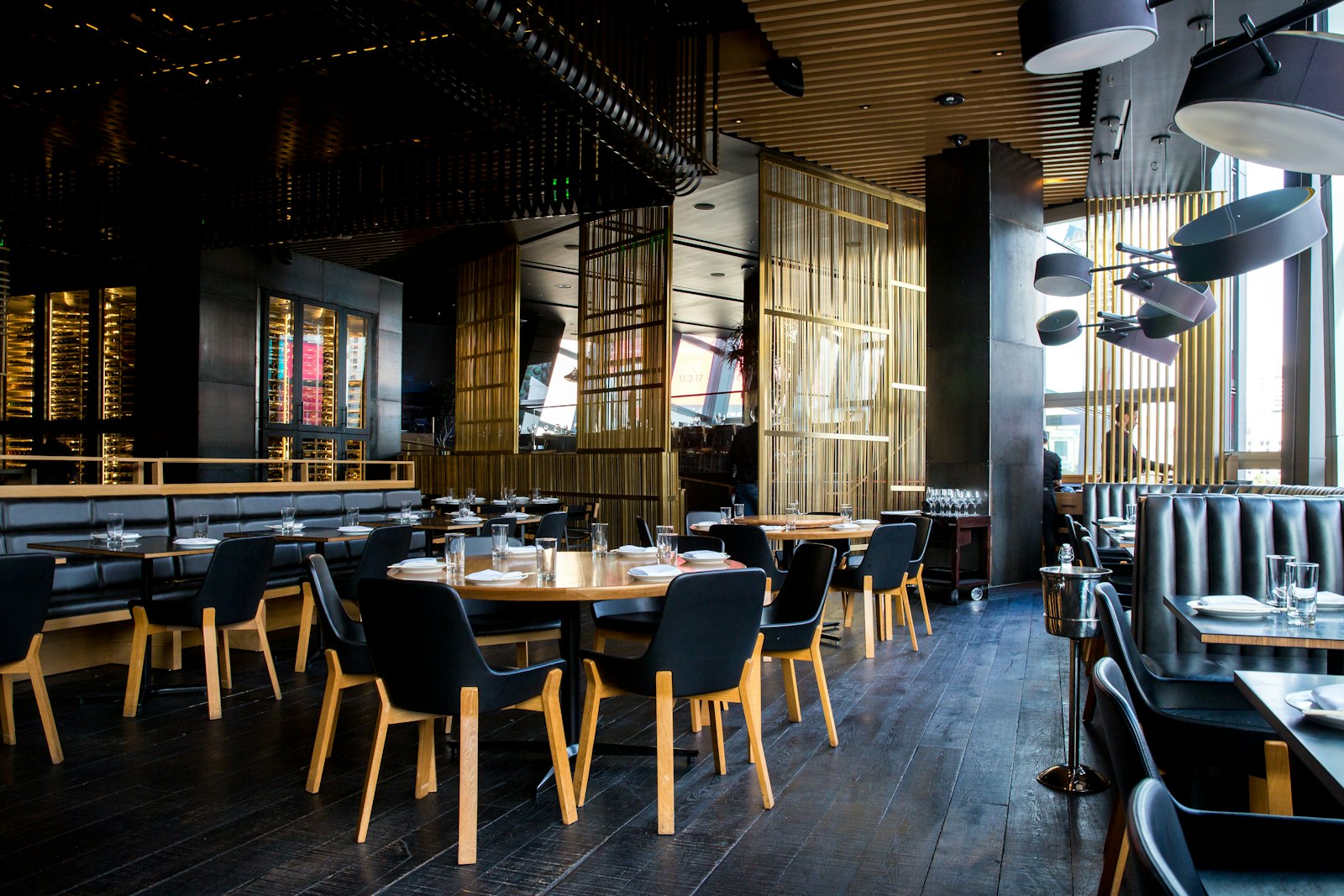
A restaurant we work with had food cost running at 35 percent for four consecutive months. Their recipe cards and menu pricing were built around a 28 percent target. The operator counted inventory more carefully. The kitchen manager retrained the line on portion sizes. They switched produce suppliers. The number did not move.
The source of the gap
The problem was not in the kitchen. It was in how three categories of transactions were being recorded.
Every time a manager comped a table, voided a ticket for a made-wrong order, or applied a happy hour discount, the POS system subtracted those amounts from the sales total. The net number flowed into the books as revenue. The food that was used to produce those comped or voided meals still appeared in food cost. The result was a food cost percentage calculated against sales that were already reduced, while the denominator quietly reflected costs that never matched any recorded revenue.
Once the books separated those three categories, the food cost against gross sales came back to 31.7 percent. A real overrun of 3.3 percentage points remained. That part was solvable. The previous 3.6 points had never been a kitchen problem.
How comps, voids, and discounts affect the numbers
Manager and VIP comps. When a manager removes a ticket because of a service failure, provides a meal to a regular guest, or feeds kitchen staff at end of shift, the POS records the reduction as a deduction from sales. The food was already prepared. The cost stays in the food invoice total. The percentage goes up with no line in the books to explain why.
Voids from made-wrong orders. A line cook fires the wrong protein. The ticket gets voided in the POS. A new plate goes out. The kitchen used ingredients twice to deliver the order once. The cost of both plates is in food cost. Only one plate, if any, shows as a sale.
Promotional discounts. Happy hour pricing, loyalty rewards, coupon codes applied at checkout. These reduce the ticket total in the POS. The food cost is unchanged. On a $16 entree discounted to $12, the kitchen still spent $4.50 in ingredients. The revenue line shows $12. The food cost percentage rises.
Employee meal benefit. Some operators provide staff meals as part of compensation. If the cost flows through as a general food cost line instead of a labor or benefit expense, it inflates the food cost percentage and understates the real labor cost.
What one Friday evening looks like when the numbers are separated
The table below is from one location, one shift.
| Category | Amount |
|---|---|
| Gross sales, all tickets before deductions | $12,000 |
| Manager and VIP comps | ($400) |
| Voids from made-wrong orders | ($250) |
| Promotional discounts | ($600) |
| Net sales recorded in books | $10,750 |
| Food cost, all food used including voided plates | $3,800 |
| Food cost on net sales | 35.3% |
| Food cost on gross sales | 31.7% |
| Untracked cost categories | $1,250 |
The $1,250 in comps, voids, and discounts was real spending. But none of it had a named expense line in the books. It sat inside the food cost percentage as an unexplained drag.
Why the gap matters beyond the percentage
When comps, voids, and discounts are invisible in the books, the owner cannot manage them as separate problems.
A comp rate of $400 in one evening is 3.3 percent of gross sales. For a restaurant doing $60,000 per week, that rate produces $8,000 per month in comps with no line on the Profit and Loss report (P&L) tracking where the money went, who authorized it, or whether it was necessary.
Voids from made-wrong orders are a training signal. If one station or one shift is generating a disproportionate share of voids, the books should show that. When voids are absorbed into a general food cost line, the information disappears before a manager ever sees it.
Promotional discounts need to be evaluated against the sales they generate. A happy hour promotion that costs $2,400 per month in reduced revenue should produce measurable covers or beverage sales that offset the discount. If the discount cost has no dedicated line, the evaluation cannot happen.
A restaurant operating at $500,000 in annual revenue with untracked comps and voids running at 2.5 percent of gross sales is spending $12,500 per year in that category. That number does not appear on the year-end P&L. It shows up only as an elevated food cost percentage that the operator cannot explain.
What properly tracked books look like for restaurant clients
For restaurants we work with, we set up three dedicated expense accounts in QuickBooks: Comps and Complimentaries, Void and Waste, and Promotional Discounts. Each account maps to a specific transaction type.
When a manager closes a comp ticket, the entry records full gross revenue and then offsets it with a debit to Comps and Complimentaries. Voided orders for kitchen errors are recorded to Void and Waste. Discount codes and happy hour reductions hit Promotional Discounts as a marketing expense.
Revenue on the P&L reflects gross sales. The deductions are visible as named expense lines. The food cost percentage is calculated on gross sales, so it reflects actual kitchen usage against actual sales, not a blended number that includes the cost of the operator’s promotion budget.
At month-end, the report shows three separate percentages: food cost on gross sales, comp rate, and discount rate. If any of the three is running above the target, it appears as its own number on its own line. The owner can act on it before the quarter closes.
Best practices for restaurant operators
- Track comps by type in a separate account: management decision, error recovery, VIP courtesy, employee meal. Each type has a different threshold and a different owner.
- Set a weekly comp rate target as a percentage of gross sales. Most full-service restaurants run comps between 1.5 and 3 percent. Anything above 3 percent warrants a review of authorization policies.
- Require a reason code in the POS for every void. Made-wrong, customer change, system error. Review void reports weekly. If the same menu item or the same time of service generates repeated voids, the problem is diagnosable.
- Calculate food cost on gross sales, not net sales. The usage rate measures kitchen efficiency. Net-sales food cost mixes in the cost of the promotion budget and produces a number that cannot be benchmarked against industry averages.
- Review comp, void, and discount totals in the weekly manager meeting. Managers need to see these numbers before the month closes, not 30 days later on a P&L report.
Three questions worth asking
- Where do manager comps appear on your P&L? Are they a named expense line, or are they folded into food cost as a reduction in revenue?
- Does your bookkeeper calculate food cost on gross sales or net sales, and do you know what your comp rate is as a percentage of gross?
- If your food cost is running above target, can you identify what portion is kitchen usage, what portion is comps, and what portion is promotional discounts?
If any of these questions are hard to answer, the books are reporting a blended number that cannot be diagnosed. The fix is three new expense accounts and a change to how the POS summary flows into QuickBooks. It takes a few hours to set up and applies to every month from that point forward.
Send a copy of last month’s P&L and we will tell you whether comps, voids, and discounts have their own lines, or whether they are buried inside a food cost percentage that has no explanation attached.
- NET SALES$10,750 after comps, voids, and discounts are removed
- FOOD COST$3,800 for all food used, including voided plates
- REPORTED PERCENTAGE35.3 percent food cost, no explanation in the books
- NO DIAGNOSIS PATHCannot identify which category is driving the overrun
- GROSS SALES$12,000 full ticket revenue before any deductions
- MANAGER COMPS$400 recorded separately as comp and complimentary expense
- VOID AND WASTE$250 for made-wrong orders and discarded plates
- PROMO DISCOUNTS$600 in happy hour and coupon-code discounts
Want a second set of eyes on your books?
30 minutes on Zoom. We'll look at your books and tell you what's working and what isn't.
This is the work we do every day. See bookkeeping for restaurants.
Book a call